Choosing the right pump will ensure efficiency, safety, productivity, and compliance. Pump technologies have evolved over the decades, and some pumps are better than others at handling certain viscosities and properties of different fluids, from chemicals and solvents to crude oil and biofuels. Understanding the benefits and applications of both vane and gear pumps can help you choose the right one for your needs.
How Vane and Gear Pumps Work
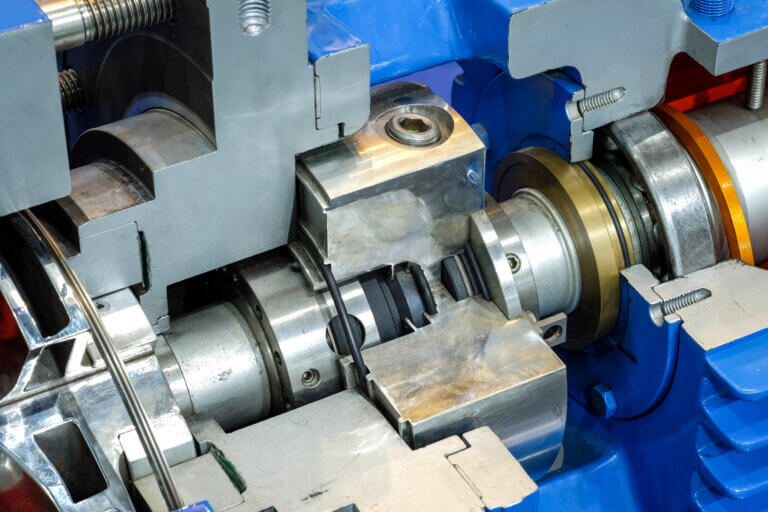
Gear pumps work by pushing fluids through a mesh between two rotating gears. The pump contains one gear that is operated by a drive shaft, and one that is operated by gravitational motion. As the gears rotate, they create a liquid seal at the inlet of the casing. As liquid enters and moves around the edges of the gears, it creates a vacuum. When the teeth meet again at the outlet the liquid is forced out. Vane pumps use a rotor with vanes that slide in and out as the rotor turns. This creates chambers that allow liquid to enter. As the rotor turns, this liquid is moved to an outlet and discharged.
Advantages of Gear Pumps
Gear pumps do not have very many moving parts, so not much can go wrong with their operation. They are easier to care for and maintain, and easier to repair if something does go wrong. You won’t have to keep extra parts on hand either. When you do need to schedule maintenance or repair, you will experience shorter downtime as problems are easier to identify and solve.
Advantages of Vane Pumps
Vane pumps experience less wear and tear as they use non-contacting rotating components. They can also sustain a consistent flow rate capacity while maintaining consistent performance over time. Even after many years of use, they will not experience internal slippage. They also ensure even loads.
Choosing Between the Two
Gear pumps are constructed from stainless steel or cast iron, so they can handle high temperatures and abrasive fluids of varying viscosities. They are also available with tight internal clearances so they can handle dissolved solids and aggressive liquids, including paint, coating, sealants, rubbers, epoxy resins, detergents, adhesives, and food-based products. Vane pumps can run dry without causing adverse effects or damage. This makes them ideal in product recovery operations. They also don’t require a minimum liquid viscosity and don’t require lubrication. They are ideal for ultra-low viscosity and non-lubricating applications.
Explore Your Options for Vane and Gear Pumps
At Grohall, our expert sales staff can help you explore your options for vane and gear pumps in Southern Arizona. We carry lubrication and petroleum equipment by leading brands, including Saylor-Beall, Liquid Controls, Ingersoll Rand, Husky, Hannay Reels, Alemite, EMCO Wheaton, ARO, and more. Call us now or email us at sales@grohall.com to get answers to your questions and guidance in choosing between vane and gear pumps. We have worked with companies of all sizes to help them find lubrication and petroleum solutions that meet their needs and budget.