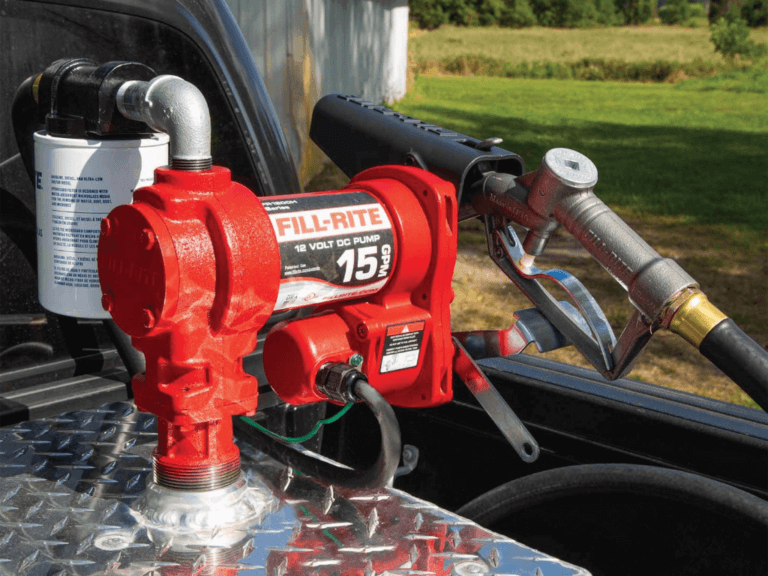
If your facility or warehouse was flooded, it’s important to check all of your machinery, tools, and equipment for damage. Flooding can cause major health and safety issues, and you should not use any equipment until it has been fully inspected. At Grohall, we offer quality, durable fuel dispensing equipment, including fuel transfer pumps, fuel transfer tanks, fuel flow meters, industrial flow meters, and more. We can help you replace any equipment that was damaged beyond repair in a flood. Here is our guide to inspecting and restoring fuel dispensing equipment following flood damage.
Understanding the Effects of Water Damage
Water damage can corrode and contaminate lubricants, oil, fuel, and equipment very quickly and must be addressed immediately. Equipment failure can be dangerous and catastrophic. The most common effects of flooding and water contamination include:
- Rust and corrosion
- Vaporous cavitation
- Hydrogen embrittlement
- Reduced efficacy of lubricants
- Hydrolysis
- Reduced efficacy of protective additives
- Oil foaming and air entrainment
- Oxidation
- Electrical system and wiring damage
Conducting a Thorough Inspection
If your facility has flooded or has sustained major or minor water damage, you must conduct a thorough inspection of all equipment, tools, machinery, and products. The sooner you identify problems, the less likely you are to experience a health or safety issue. You can conduct an inspection yourself or hire a professional.
Restoring and Recovering Equipment
Once you have identified all areas affected by water contamination, you can determine what can be saved or recovered. Here are some tips for restoring or recovering equipment and lubricants after a flood:
- You may need to do a full flush of all equipment and machinery systems.
- Complex machinery and equipment may need full rehabilitation.
- Coordinate with your insurance company to file a claim and monitor your findings.
- Assess bulk lubricant, oil, and fuel supplies for contamination.
- Send samples to an outside laboratory to test for contamination.
- Remove contaminated oils, fuels, and lubricants.
- Fully flush supply tanks and take corrective actions to repair damage.
- Monitor fuel storage tanks for water contamination and look for signs like algae, plugged filters, and microbe growth.
- Change or replace all oil filters.
- Set up continuous monitoring of your oil, fuel, and lubricant supplies and regularly test them for contamination.
- Clean or replace any nozzles, hoses, swivels, and other dispenser parts.
Contact Grohall for Replacement of Fuel Dispensing Equipment
If any of your equipment has been damaged beyond repair, using it can increase your risk of injury, health and safety issues, and liability. At Grohall, we can assist you in replacing any fuel dispensing equipment that was damaged due to flooding or water intrusion. We carry a wide range of equipment and products, including fuel transfer pumps, fuel transfer tanks, gas siphon pumps, fuel flow meters, gasoline and electric fuel transfer pumps, industrial flow meters, and more. Call Grohall now at (520) 622-4263 or 1-800-624-0003 or email us at sales@grohall.com to learn more about our selection of fuel dispensing equipment for the gas and petroleum industry.