Industrial hoses are used for a wide range of fluid delivery needs. Selecting the right size, type, and material for your hoses will enhance the efficiency of your operations and maintain safety and quality control. At Grohall, we carry a wide selection of fuel and fluid hoses in Tucson, AZ that can aid industrial and mining operations. Here is a guide to selecting the right one for your needs.
Choose the Right Size and Length
If you use the wrong size or length of hose, you may experience drops in pressure, reduced flow rates, excessive stress on the hose, and safety and performance issues. Hoses are measured in three ways:
- Inner diameter – This is the diameter of the inside of the hose. A proper ID can ensure efficient fluid transfer and reduce your risk of clogging and excessive wear and tear.
- Outer diameter – The outer diameter is the entire cross-sectional span of the hose, including its inner tube, reinforcement, and outer cover. The right outer diameter ensures the lifespan of your hose and that it fits your operational needs.
- Length – The length of your hose will determine how far it extends or the distance it covers, as well as its flexibility and efficiency. A hose that is too long can cause pressure drops and friction and reduce efficiency. A hose that is too short can increase your risk of clogs and pressure buildup.
Consider Fluid Temperature and Viscosity
Next, you need to consider the temperature and viscosity of the fluid you are transferring. The hose must maintain a standard temperature to ensure the integrity and safety of the fluid and prevent leaks, bursts, or other accidents. You will also want to consider the temperature of the environment in which the hose will be operating. Different hoses are designed to handle different viscosities, and higher viscosity fluids may exert more pressure on the hose and affect the fluid transfer rate.
Ensure the Hose is Compatible with Your Applications
Your hose also must be compatible with your intended use. You must comply with local and federal standards and regulations to ensure safety.
Look at the Hose Pressure Ratings
The maximum operating pressure of each hose will indicate what type of fluid it can transfer. The pressure rating depends on the material, size, and construction of the hose as well as the temperature and viscosity of the fluid and environmental factors during use. Choosing the right pressure rating will extend the lifespan of the hose, ensure proper flexibility and efficiency, and guarantee safety.
Choose the Right Ends or Fittings
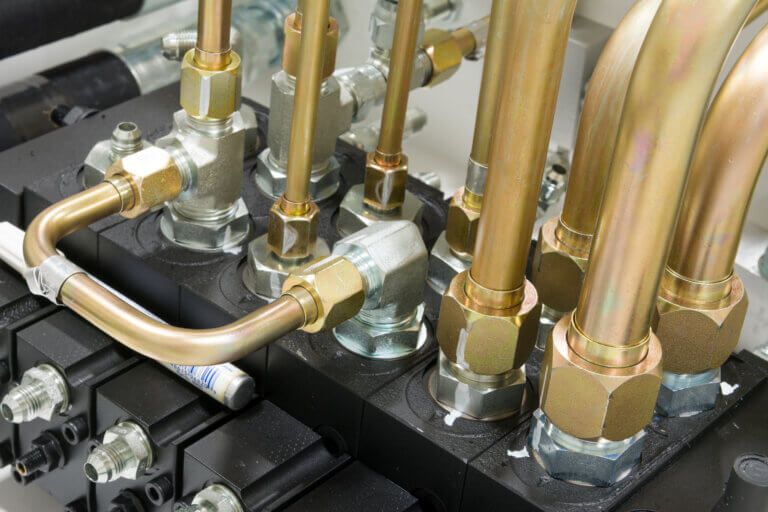
Finally, you need to consider the ends and fittings available for the hose. The hose must be compatible with the ends and fittings you need to use to ensure proper installation and functionality and prevent contamination and safety issues.
At Grohall, our team of experts can help you choose the right hose for your needs. Call us now at (520) 622-4263 or 1-800-624-0003 or email us at sales@grohall.com to learn more about our selection of industrial hoses in Arizona.