Preventive maintenance of petroleum equipment includes proactive, scheduled inspections, cleaning, lubricating, repairing, and replacement of parts and components. At Grohall, we believe that investing in preventive maintenance can actually save you money, reduce downtime, and offset labor and operational costs over time. Here is a guide to why it is so important to maintain your facility’s petroleum equipment.
What Is Preventive Maintenance?
Preventive maintenance is the proactive approach to maintaining equipment to prevent the risk of failure, breakdown, and wear and tear. By performing regular inspections, you can identify early warning signs of problems so that you can fix them before they get bigger and more expensive. You can also reduce the risk of costly equipment replacement, downtime, and safety issues.
Benefits of Preventive Maintenance
Investing in preventive maintenance for petroleum equipment can help you maintain the efficiency, safety, and productivity of your facility. The biggest benefits of preventive maintenance are:
- Reduced risk of downtime by preventing breakdowns or equipment failure
- Prevention of contamination and wear and tear
- Increased lifespan of petroleum equipment
- Enhanced safety and compliance with industry regulations
- Cost savings
- Improved performance and efficiency
- Better ability to allocate resources
- Greater operations reliability
Key Elements of Preventive Maintenance for Petroleum Equipment
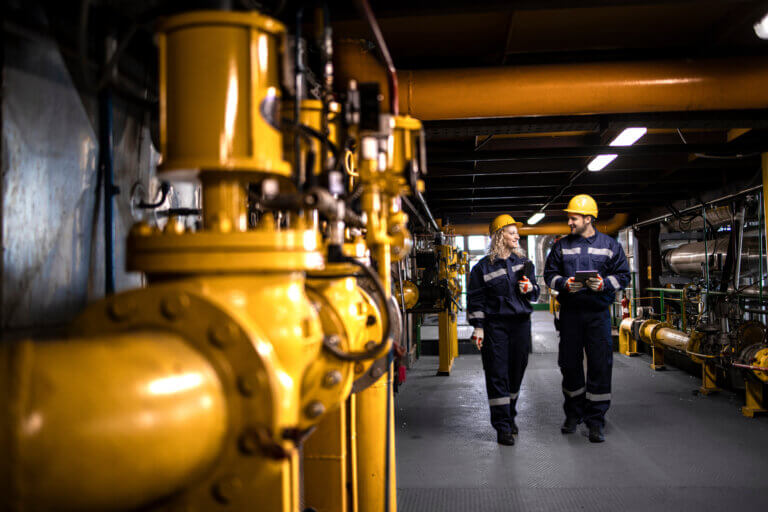
Petroleum equipment consists of many different moving parts, small components, and carefully-calibrated instruments. It’s important to create a consistent schedule for preventive maintenance tasks to ensure nothing is overlooked. You should also keep accurate maintenance logs that record who performed each task and when. The key elements of any good preventive maintenance program include:
- Detailed visual inspections of all equipment, components, and electrical connections to check for signs of damage or wear and tear
- Careful calibration and testing of equipment and instruments
- Regular lubrication of any moving parts
- Assessment of the age, condition, performance, efficiency, and safety of each piece of equipment to determine its lifespan
- Routine testing and adjustment of equipment settings
- Scheduled service and repairs
Who Should Conduct Preventive Maintenance?
You should have a dedicated team or specific personnel who are in charge of preventive maintenance at your facility. Each person should know their specific role and be able to take ownership of a list of tasks. They should be fully trained on the steps required of each maintenance task, and they should know when and how maintenance should be conducted. You can also consider hiring an outside agency for inspections, maintenance, and service of your equipment.
Ready to Upgrade Your Petroleum Equipment?
Even with consistent maintenance, your equipment will eventually succumb to wear and tear. Over time, it will get less efficient and may even become a safety hazard. At Grohall, we provide quality lubrication and petroleum equipment in Arizona to mining and industrial facilities. We are a local, family-owned and operated company with close to 75 years of experience in the industry. Call us now at (520) 622-4263 or 1-800-624-0003 or email us at sales@grohall.com to find out how we can help you upgrade your petroleum and lubrication equipment.