
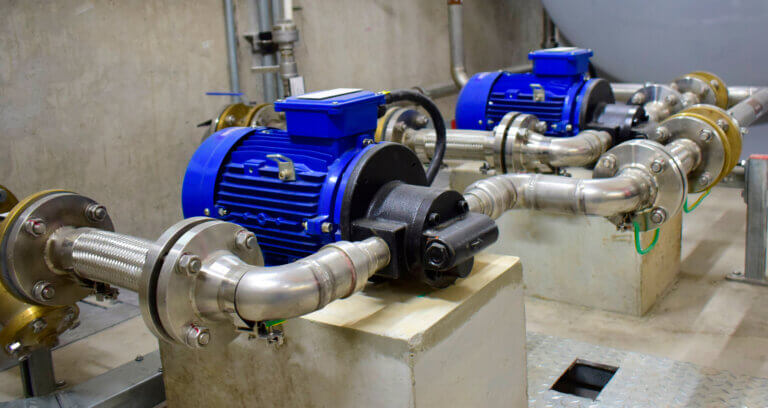
Choosing the right fuel transfer pump for your industry specifications and needs will make the fuel transfer process more efficient, safer, and faster. At Grohall, we carry a wide selection of fuel transfer pumps from the most reliable and reputable manufacturers in the industry. We specialize in transfer pumps for the gas, oil, and petroleum industries. Here are our four tips for choosing the right fuel transfer pump for your needs.
1. Evaluate the Specifications of Your Job
First, evaluate the specifications of your job. What do you want to accomplish with your fuel transfer pump, in what environment, and according to what timeline? Will you be fueling heavy equipment on a job site, or using a small fuel transfer pump for light or standard duty use? Standard duty use might include landscaping or lawn equipment, small farm equipment, snowmobiles, ATVs, automotive, or electrical or plumbing work. Heavy duty or industrial use might include construction equipment, large farm equipment, logging equipment, mining equipment, and oil and gas equipment.
Commercial fuel transfer pumps like GPI fuel transfer pumps from their GPRO line have higher flow rates and larger monitors to accommodate major and heavy duty use. They can handle rugged conditions and extreme environments, and work quickly to fill large gas tanks.
2. Investigate Your Power Source
Next, you should investigate your options for power on your job site or at your facility. If you have access to electricity in a building, you can consider electric fuel transfer pumps. If you will be on a remote job site or too far away from a building to use their electricity, you will need a battery-powered or gas powered fuel transfer pump or a hand fuel transfer pump. If you choose an electric fuel transfer pump, it must match your power supply.
3. Consider the Type of Fluid You Are Transferring
Then you need to consider the specifications of the individual fuel pump models you can use to determine if they can handle the type of fluid you are transferring. You can choose between standard diesel transfer pumps, gasoline transfer pumps, and ones that can transfer ethanol or kerosene. Specialty pumps can handle high-viscosity fluids like transmission fluid, motor oil, and antifreeze.
4. Determine How Often You Will Use Your Pump
Finally, you should determine how often you will use your fuel transfer pump, and the size of the fuel tank you plan to fill. If you will use your pump every day or are filling large fuel tanks, you will need a pump with a high flow rate. Standard duty pumps have flow rates between 8-15 GPM. Heavy-duty or commercial pumps have flow rates of 15-25 GPM.
Explore Grohall’s Selection of Fuel Transfer Pumps in Southern Arizona
At Grohall, we have a wide selection of fuel transfer pumps in Southern Arizona from the most trusted and reputable brands and manufacturers. We can work within the specifications of your industry applications and job site to help you find the ideal pump for your needs. Call Grohall now at (520) 622-4263 or 1-800-624-0003 or email us at sales@grohall.com to learn more about our selection of fuel transfer pumps for the gas and petroleum industry.